Imagine the peace of mind that comes from knowing your small business is shielded from unexpected setbacks. That’s where small business insurance swoops in like a superhero, offering protection that is crucial for every entrepreneur. But how do you convey this to your audience in a way that not only informs but captivates? Enter the world of small business insurance commercials—a realm where creativity meets strategy to spotlight the insurance solutions every small business needs.
In this guide, we’re diving deep into the art and science of crafting compelling insurance commercials. From exploring different types of small business insurance policies to understanding the nuances of digital versus traditional media, and even sharing marketing strategies that hit the bullseye, we’re covering it all with the flair and finesse of the Backlinko style. Ready to elevate your insurance marketing game? Let’s get started!
Introduction to Small Business Insurance
Did you know that 40% of small businesses never reopen after a disaster? Insurance can change that. Having the right coverage can be the difference between bouncing back or shutting down for good.
Small business insurance acts as a safety net. It’s designed to protect your business from unforeseen risks and liabilities. The right policy not only safeguards your assets but also provides peace of mind, allowing you to focus on growth and innovation.
Types of Insurance Policies for Small Businesses
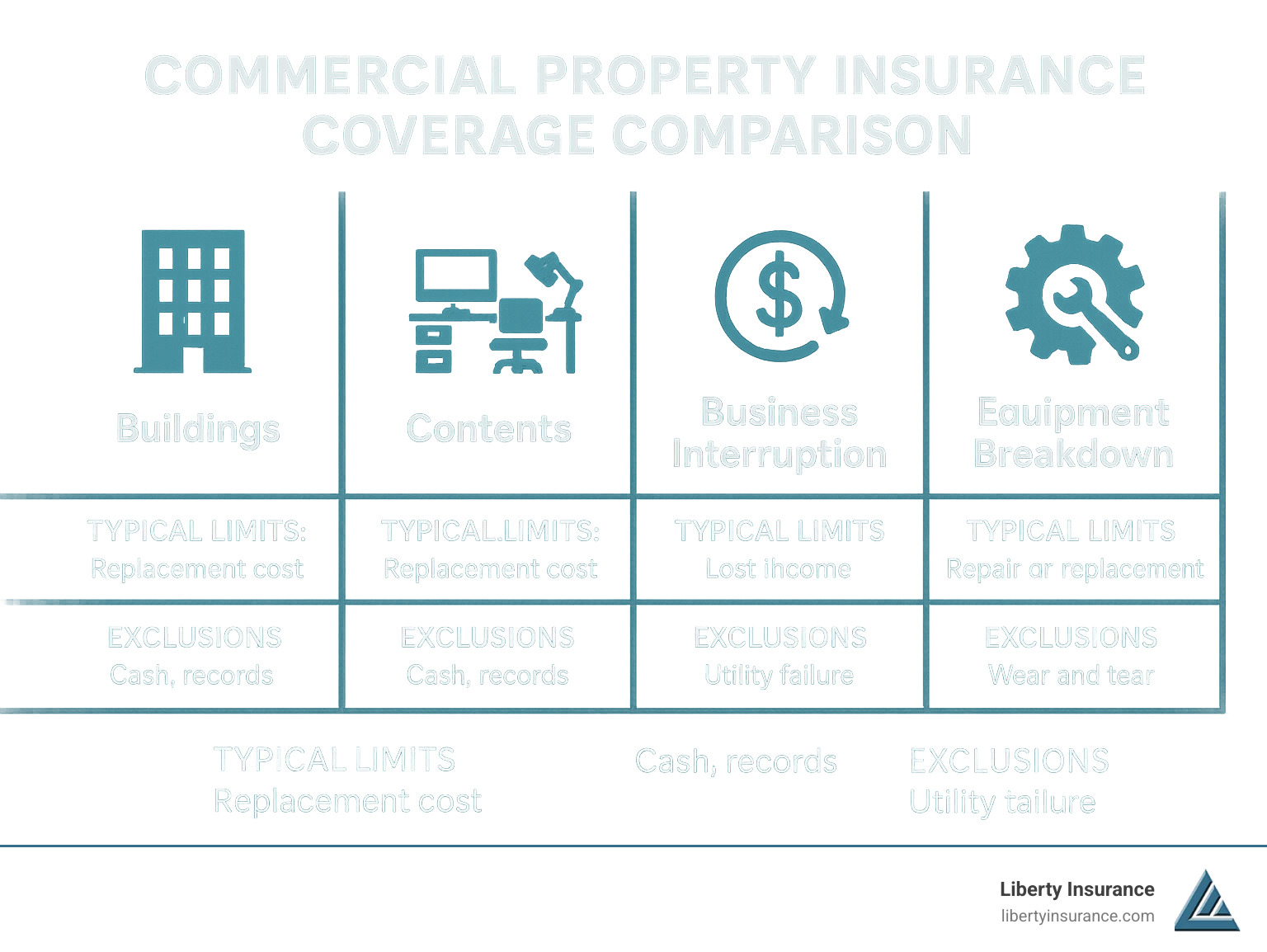
Business insurance isn’t one-size-fits-all. General Liability Insurance covers third-party claims against your business, while Commercial Property Insurance protects your physical assets. Then there’s Business Interruption Insurance, which is crucial if a disaster halts your operations. But that’s not all. Depending on your industry, you might need Workers’ Compensation or Professional Liability Insurance. Each type serves a unique purpose, ensuring comprehensive coverage.
Components of a Small Business Insurance Commercial
A small business insurance commercial is more than just a sales pitch. It must clearly highlight the key benefits of having insurance, such as risk protection and financial security. You’ll want to include real-life scenarios that resonate with entrepreneurs. This isn’t just fluff—it’s about making insurance relatable and essential. Here is the deal: your ad should address common concerns, dispel myths, and ultimately, drive action.
Pro Tip: If you’re crafting a commercial, always start with a shocking statistic to hook your audience.
Types of Small Business Insurance Commercials
Did you know that the average small business owner only allocates 1-2% of their revenue for advertising? Yet, the right commercials can make or break their success. Let’s dive into the different types of commercials that can transform a small business insurance campaign.
Small business insurance commercials come in various shapes and sizes. From the familiar TV commercials to the digital ads you encounter online, each type serves a unique purpose. But which one is truly effective for reaching small business owners?
Digital vs. Traditional Media
There’s an ongoing debate about whether digital or traditional media is more effective for insurance commercials. Digital media includes platforms like YouTube, social media, and search engine ads. It’s all about targeting your audience with precision. On the other hand, traditional media encompasses TV, radio, and print ads—methods that still have a massive reach.
| Media Type | Advantages | Disadvantages |
|---|---|---|
| Digital | Targeted, Measurable, Cost-effective | Potential ad fatigue, Requires digital savviness |
| Traditional | Broad reach, Familiar formats | Expensive, Harder to measure effectiveness |
Successful Small Business Insurance Commercials
Some commercials have hit the mark perfectly, making a significant impact on their audience. Here are a few examples of successful small business insurance commercials that you can draw inspiration from:
- Geico’s humorous “15 minutes could save you 15% or more” campaign on YouTube.
- State Farm’s personalized “Here to Help Life Go Right” TV ads.
- Progressive’s clever “Name Your Price” tool showcased through targeted Facebook ads.
Pro Tip: The key to a successful insurance commercial is not just the medium, but crafting a message that speaks directly to the challenges small business owners face.
Essential Coverage Options for Small Businesses
Did you know that over 40% of small businesses are uninsured? That’s a risky move. As a small business owner, you can’t afford to overlook essential coverage options. Here’s how to protect yourself.
Small businesses face a myriad of risks every day. From property damage to liability claims, each threat can severely impact your bottom line. But here’s the deal: with the right insurance, you can safeguard your business and continue to thrive no matter what challenges arise.
Common Risks and Recommended Coverage
Understanding the risks your business faces is the first step. Once you pinpoint these threats, you can choose the right insurance to cover them. Below is a breakdown of common risks, their potential impact, and the recommended coverage to mitigate them:
| Risk Type | Potential Impact | Recommended Coverage |
|---|---|---|
| Property Damage | Loss of physical assets | Commercial Property Insurance |
| Liability Claims | Legal expenses and settlements | General Liability Insurance |
| Employee Injuries | Workplace injury costs | Workers’ Compensation |
| Data Breaches | Loss of customer trust and fines | Cyber Liability Insurance |
Now, let’s talk about tailoring your commercial to highlight these essential coverage options. You want to connect with your audience by addressing their specific concerns. Does your target market worry about data security? Focus on cyber liability insurance. Is employee safety their top priority? Highlight workers’ compensation coverage.
Pro Tip: Use real-life examples in your commercials to demonstrate how these coverages saved businesses from financial ruin.
By clearly addressing the risks and showcasing the benefits of the right coverage, your ad becomes more relatable and convincing. Your audience doesn’t just see an insurance policy—they see a lifeline for their business.
Designing an Effective Small Business Insurance Commercial
Did you know the average person is exposed to over 5,000 ads per day? How do you make your commercial stand out in this crowded landscape?
Here is the deal: creating a memorable small business insurance commercial requires more than just catchy slogans. You need to grab attention, convey your message clearly, and most importantly, build trust.
Strategies for Attention-Grabbing Commercials
First impressions matter. Start your commercial with a question that makes people stop and think, like “Are you really protected against the unexpected?” This hooks your audience and keeps them watching.
But, don’t forget the visual and auditory elements. Use bright colors and upbeat music to create an engaging atmosphere. This combination is proven to increase viewer retention.
Pro Tip: Always include a clear call-to-action at the end. Tell your viewers exactly what to do next!
Key Elements of a Compelling Insurance Commercial
A compelling commercial isn’t just about selling insurance; it’s about telling a story. Share a relatable scenario, like a business recovering from a disaster thanks to their insurance policy.
Include empathy-driven narratives that resonate with your audience’s pain points. This approach makes your message more memorable and relatable.
But, remember to keep it concise. A 60-second commercial is often the sweet spot for maintaining viewer interest.
Incorporating Customer Testimonials Effectively
Testimonials can be your secret weapon. They build credibility and trust. Just imagine a satisfied customer saying, “Thanks to XYZ Insurance, my business bounced back faster than I imagined.”
Use real stories from real customers. Authenticity is key. Feature short clips of them explaining how your insurance helped them in a pinch.
Here is the deal: mixing these testimonials with your narrative makes your commercial both persuasive and personal.
Marketing Strategies for Small Business Insurance
Did you know that 40% of small businesses close within the first year? You can play a crucial role in safeguarding these businesses with the right insurance solutions. But how do you make sure they know about you?
The key lies in a robust marketing strategy that connects with small business owners where they are. You need a plan that not only highlights your services but also speaks directly to the unique needs of your target market.
Developing a Marketing Plan for Insurance Services
Start by outlining a comprehensive plan to reach small business owners effectively. You want to be visible, memorable, and trustworthy. Step #1: Define your unique selling points. What makes your insurance services different? Is it the coverage, the customer service, or maybe the pricing? Highlight these aspects in every piece of communication.
Step #2: Create targeted campaigns that speak to specific industries or business sizes. Tailor your message to address the common risks and concerns each segment faces.
Pro Tip: Businesses love case studies. Use them to demonstrate how you’ve successfully helped businesses like theirs overcome challenges with your insurance products.
Analyzing Audience Demographics for Tailored Commercials
You can’t hit a target you don’t see. So you need to analyze audience demographics to tailor your commercials effectively. Identify who your ideal clients are and where they hang out online or offline.
- Leverage data analytics to understand the demographics of your existing clients.
- Conduct surveys or engage in direct outreach to gather insights.
- Utilize social media analytics tools to monitor engagement and trends.
Armed with this information, you can develop custom commercials that resonate with specific groups, ensuring your marketing dollars are well spent.
Comparing Marketing Channels
Choosing the right channel to broadcast your message is crucial. Here’s a comparison of different marketing channels based on their reach, cost, and effectiveness to help you decide.
| Channel Name | Reach | Cost | Effectiveness |
|---|---|---|---|
| Social Media | Wide | Moderate | High |
| Email Marketing | Targeted | Low | Medium |
| Search Engine Ads | Wide | High | High |
| Content Marketing | Medium | Low | High |
Here’s the deal: every channel has its strengths. By understanding these differences, you can allocate your budget more effectively and reach small business owners in the most impactful way.
Regulatory Considerations in Small Business Insurance Advertising
Did you know that over 50% of businesses fail to comply with advertising regulations? When it comes to insurance commercials, the stakes are even higher. Let’s dive into what you need to do to avoid costly mistakes.
Creating an insurance ad isn’t just about catchy slogans and stunning visuals. You need to adhere to a maze of legal and regulatory considerations. Missteps can lead to fines and damage to your brand’s reputation.
Understanding Legal and Regulatory Frameworks
Insurance is one of the most regulated industries. Your ads must comply with federal, state, and local laws, and industry standards. Failing to do so can result in penalties or even a ban on your ads.
Here’s the deal: misleading advertisements are a big no-no. The Federal Trade Commission (FTC) rigorously monitors claims made in insurance commercials. Misrepresenting facts or leaving out key details can lead to serious legal consequences.
Impact of Misleading Advertisements
Misleading ads don’t just lead to fines. They can destroy consumer trust, which is priceless in the insurance industry. Consumers need to know they can rely on your promises.
But how can you avoid these pitfalls? Ensure your claims are substantiated by evidence. Every statement must be verifiable, from coverage limits to premium amounts.
Guidelines for Compliance with Industry Standards
To remain compliant, you need a plan. Here are some steps to guide you:
- Familiarize yourself with the advertising guidelines of your regulatory bodies, like the National Association of Insurance Commissioners (NAIC).
- Consult with legal experts to review your ads before they go live.
- Keep records of all evidence supporting your claims. This is crucial if you’re ever challenged.
Pro Tip: Always include disclosures in your ads. They clarify any limitations or conditions, keeping you transparent and trustworthy.
In summary, while crafting a compelling insurance ad is vital, regulatory compliance must be your top priority. Stick to these guidelines, and you’ll not only avoid penalties but also build a foundation of trust with your audience.
Last Word

As we wrap up this exploration into the world of small business insurance commercials, remember: the key is not just in the coverage but in how you communicate it. By crafting commercials that resonate with your audience, utilizing strategic marketing channels, and ensuring compliance with regulatory standards, your insurance offerings will not only be seen but trusted. In this competitive landscape, standing out is crucial, and with the insights shared here, you’re well on your way to making an indelible mark. Ready to unlock success? Your next great commercial campaign awaits!
Frequently Asked Questions
What are the different types of small business insurance commercials?
Small business insurance commercials can vary, including digital ads, TV spots, radio segments, and social media campaigns. Each type serves different purposes and reaches distinct audiences.
How do digital and traditional media compare for insurance commercials?
Digital media offers targeted reach and measurable results, while traditional media like TV and radio provide broader audience exposure. Both have unique benefits depending on the campaign goals.
What are some examples of successful small business insurance commercials?
Successful examples include GEICO’s humorous TV ads, Progressive’s Flo series, and Allstate’s “Mayhem” campaign, all of which effectively communicate their value propositions.
What essential insurance coverages should a small business consider?
Essential coverage options for small businesses include general liability, property insurance, workers’ compensation, and professional liability insurance to protect against common risks.
How can I ensure my insurance commercial complies with regulations?
Ensure compliance by following industry standards, avoiding misleading claims, and consulting legal advisors to adhere to advertising regulations.
